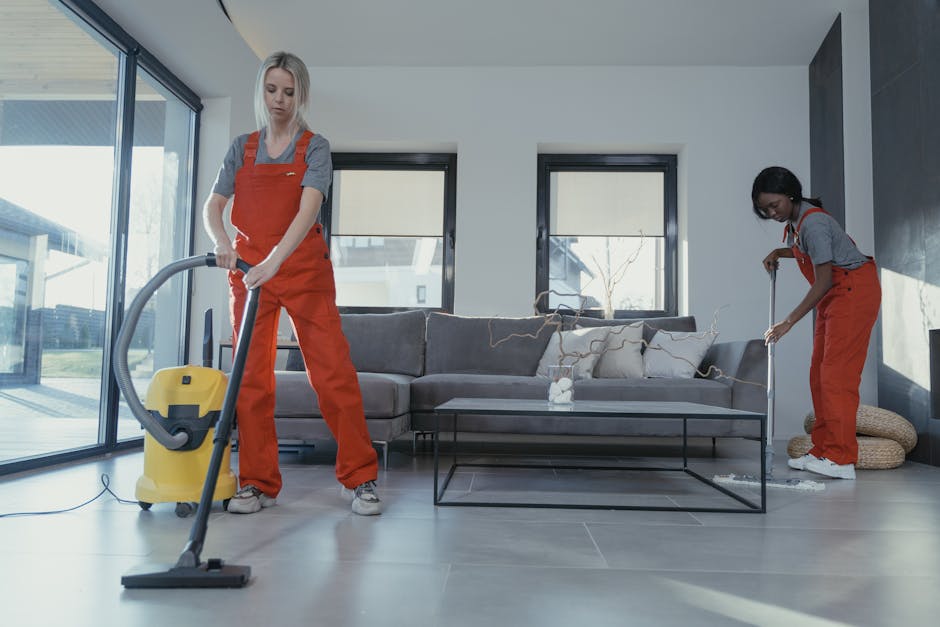
Highbury Barn end of tenancy cleaning for landlords
Posted on 29/05/2026
If you let property in Highbury Barn, you already know the feeling: a tenancy ends, the keys come back, and suddenly every small mark, scuffed skirting board and half-hidden bit of limescale is staring you in the face. That is exactly where Highbury Barn end of tenancy cleaning for landlords earns its keep. Done well, it helps you present the property properly for viewings, reduces avoidable disputes, and makes the next move-in smoother for everyone.
In a neighbourhood like Highbury Barn, where flats, converted homes and long-term rentals often sit side by side, standards matter. Tenants expect clarity, agents expect consistency, and landlords need a process that is efficient without cutting corners. This guide walks through what the service involves, when it is worth arranging, how to judge quality, and how to avoid the little mistakes that can turn into bigger headaches later on. Nothing fancy. Just the stuff that actually helps.
Why Highbury Barn end of tenancy cleaning for landlords Matters
For landlords, end of tenancy cleaning is not just about making a property look nice for the next person. It is about resetting the home to a standard that supports the next tenancy, reduces friction, and protects the asset you have invested in. In practice, that means getting into the corners that everyday cleaning misses: behind appliances, around taps, inside cupboards, along tracks, and on high-touch surfaces that quietly build up wear.
Highbury Barn properties can be particularly sensitive to presentation. Many are compact, well-used, and full of details that show up quickly when something has been neglected. A bit of dust on a blind might not matter in a lived-in home, but in a rental inventory it can become the sort of thing everyone notices. And once a tenant notices one thing, they start seeing five. Human nature, really.
There is also a practical business angle. A clean, properly reset property tends to photograph better, show better, and feel better on move-in day. That matters whether you manage one flat or several homes across the area. If you are also thinking about broader property strategy, it can help to read about Highbury real estate and smart buying tips as well as selling your Highbury home successfully to see how presentation affects value across the board.
Expert summary: A strong end of tenancy clean is not just a cleaning job. It is a handover process that protects standards, reduces disputes, and helps the next tenancy start on the right foot.
How Highbury Barn end of tenancy cleaning for landlords Works
Most landlords want a simple answer here: what actually happens? In plain English, the process usually starts after the tenant has moved out and the property is empty, or close to empty. That is the best time to clean because cleaners can reach behind furniture, inside cupboards, under appliances and along edges that are normally blocked.
A proper service typically covers the main living areas, kitchen, bathrooms, bedrooms, hallways, and any utility or storage spaces. The job usually includes dusting, vacuuming, mopping, wiping switches and fixtures, degreasing kitchen surfaces, descaling bathroom fittings, cleaning internal glass where needed, and detailing visible marks on doors, skirting boards and surrounding trim. If there are soft furnishings or stubborn carpet issues, it may make sense to combine the visit with carpet cleaning in Highbury or upholstery cleaning in Highbury.
For landlords managing multiple properties or preparing a home for quick re-let, a coordinated service can be a lot easier than juggling separate contractors. The broader end of tenancy cleaning in Highbury page is a useful place to understand the service scope in more general terms, while the services overview gives a wider picture of what can be bundled when needed.
Truth be told, the best results often come from a quick walkthrough before the clean starts. That lets the cleaner spot problem areas such as limescale-heavy shower screens, greasy extractor fans, or a patch of old spill damage in a cupboard. If the job starts blind, it can still go well, but a little context helps more than people think.
Key Benefits and Practical Advantages
There are a few reasons landlords keep coming back to end of tenancy cleans, and they are not all about appearances.
- Fewer move-in complaints: A properly cleaned property gives the incoming tenant less to query on day one.
- Smoother inspections: It is easier to separate normal wear from genuine issues when the home starts clean.
- Better presentation for re-letting: Clean kitchens and bathrooms make a stronger first impression than almost anything else.
- More consistent standards: If you manage several homes, a repeatable cleaning approach keeps quality even.
- Reduced time between tenancies: A well-organised clean can shave unnecessary delays off the turnover process.
- Less stress at checkout: Nobody enjoys late-night debates about dust on a fridge seal. A professional clean helps avoid that noise.
There is also a quieter benefit: confidence. When you know the property has been thoroughly reset, you can move into the next stage with less second-guessing. If you are working in Highbury as a landlord, and especially near busier rental pockets around Highbury Barn, that peace of mind is not trivial.
For landlords who also keep an eye on wider property quality and local living conditions, the reading in residents' take on living in Highbury and the serenity of Highbury London can give helpful context about what tenants tend to value in the area. Small details matter more than landlords sometimes expect.
Who This Is For and When It Makes Sense
This service is for more than just portfolio landlords with several flats. It is also a good fit for accidental landlords, homeowners letting out a former residence, and anyone preparing a rental property after a long tenancy where wear and tear has built up gradually. You do not need a dramatic mess to justify a proper end of tenancy clean. Sometimes the issue is simply that a property looks tired.
It makes the most sense when:
- a tenancy has ended and a new tenant is due in soon;
- the outgoing tenant's cleaning standard is uncertain;
- the inventory notes show visible grime, staining, or buildup;
- the property needs a better presentation for fresh marketing photos;
- you want a predictable, repeatable handover process;
- you are dealing with carpets, upholstery, or other surfaces that need more than a basic wipe-down.
It is worth saying that not every property needs the same level of work. A small one-bed flat with light use is a different job from a family home with pets, smokers, or heavy kitchen use. A good provider will adjust expectations rather than force one template on everything. That sounds obvious, but oddly enough, it is not always how things are handled.
If your property is used partly as a home office or mixed-use space, a general office cleaning Highbury service can also be relevant for shared work areas, while domestic cleaning in Highbury can help bridge the gap between routine upkeep and a full turnover clean.
Step-by-Step Guidance
If you want the process to run smoothly, keep it simple and structured. Here is a practical landlord-friendly approach.
- Book the clean after the property is vacant. Empty rooms are far easier to clean thoroughly, and the result is more reliable.
- Walk the property first. Look for obvious problem areas: oven grease, bathroom limescale, mould spots, marks on walls, dust on top of cupboards, and carpet stains.
- Separate cleaning from repairs. A cleaner can remove grime, but they should not be expected to fix broken fixtures, cracked sealant, or damage.
- Flag high-priority rooms. Kitchens and bathrooms usually carry the heaviest scrutiny, so they deserve special attention.
- Clarify extras before work begins. Carpet cleaning, deep fridge cleaning, upholstery work, or internal window attention should be agreed in advance.
- Ask for completion photos if needed. A few tidy images can be useful for your records, especially if you are not present.
- Review the property before reletting. Do a final pass with the next tenant in mind. Stand in the hallway and ask yourself: would I be happy moving in here today?
A small but useful habit: turn on lights and inspect the place in daylight if possible, then again later when shadows reveal everything the midday sun had hidden. A smudge near a sink or a dull patch by the skirting can suddenly look very different at 4pm. Annoying, yes. Useful, also yes.
Expert Tips for Better Results
In our experience, the best landlord cleans are the ones where expectations are clear before anyone starts. That sounds a bit dry, but it saves time and frustration. Here are the things worth paying attention to.
1. Focus on the "decision zones"
Tenants and inventory clerks notice kitchens, bathrooms, floors and entryways first. If budget is tight, those are the areas to prioritise. A sparkling sink and a spotless hob can do more for perceived cleanliness than polishing every corner in the property.
2. Do not underestimate smell
Cleanliness is not just visual. A stale odour from bins, cupboards, carpets or soft furnishings can make a property feel neglected even when it looks tidy. Freshness matters, especially in compact Highbury flats where smells linger a bit longer than people expect.
3. Use the move-out moment wisely
Once the tenant has gone and furniture is out, clean behind radiators, inside cupboards, under appliances and around edges. Those are the places that quietly collect dust over months. Miss them, and the place still feels unfinished.
4. Match cleaning to the property type
A converted Victorian flat with delicate fittings needs a different touch from a modern apartment with fewer nooks and crannies. Ask for cleaning methods that suit the surfaces involved, rather than just "a deep clean" in the abstract.
5. Keep records tidy
A simple file of before-and-after notes, photos, invoices and agreed extras can save a lot of back-and-forth later. Not glamorous, but very handy.
If you want to make the service feel more organised, you can also browse practical pages such as pricing and quotes, payment and security, and insurance and safety. They help landlords judge a provider on more than just a polished sales pitch.

Common Mistakes to Avoid
There are a few patterns that come up again and again. Some are minor. Some cause avoidable delays. All of them are fixable if you know what to look for.
- Leaving the clean too late: If the next tenancy starts immediately, there is no room for slippage.
- Assuming "surface clean" is enough: Tenancy standards usually require more than a quick visible tidy.
- Forgetting hidden problem areas: Oven trays, extractor fans, fridge seals, plug sockets, and skirting boards are easy to miss.
- Not separating damage from dirt: Stains, chips, broken seals and scuffs are not all cleaning issues.
- Overlooking carpets and upholstery: A clean room can still feel neglected if soft surfaces are dingy.
- Skipping a final inspection: A ten-minute walk-through often catches what everyone else missed.
A slightly awkward but real-world point: sometimes landlords pay for a clean but never define what "done" means. Then everyone arrives with a different idea of success. That is how misunderstandings are born. A simple checklist avoids a lot of noise.
Tools, Resources and Recommendations
You do not need a warehouse of equipment to manage a good end of tenancy clean, but you do need the right approach and the right support. For most landlords, the useful resources are practical rather than technical.
- Room-by-room checklist: Keeps the clean focused and makes post-clean review easier.
- Inventory or condition notes: Helpful for separating existing wear from cleaning issues.
- Photography at handover: Useful for records, especially if you manage remotely.
- Trusted service pages: The about us page is a sensible starting point if you want to understand the people behind the service.
- Policy pages: health and safety policy, terms and conditions, and complaints procedure are worth checking before you book, especially if you manage properties professionally.
If you are dealing with a flat or house near Highbury Fields, local layout and access can affect the job more than people realise. Narrow stairs, compact kitchens, older fittings, and awkward parking can all change how a clean is planned. A useful local reference is this Highbury Fields house cleaning guide, which gives extra context for nearby properties and access considerations.
Law, Compliance, Standards, or Best Practice
For landlords in the UK, cleaning sits alongside a wider set of responsibilities around property condition, safety, and fair handling of tenancies. The exact legal position can depend on the tenancy agreement, the property type, and the circumstances at the end of the tenancy, so it is wise to treat this as best-practice guidance rather than legal advice.
From a practical point of view, the safest approach is to ensure the property is handed over in a condition that matches what has been agreed, with ordinary wear and tear treated separately from genuine cleanliness issues. That means documenting the state of the home, being consistent from one tenancy to the next, and not expecting a cleaning service to fix maintenance faults.
Landlords should also think about safety during the clean. Using the right products on the right surfaces, avoiding damage to delicate finishes, and making sure the property is safe for the cleaning team are all part of responsible practice. If there are access issues, exposed faults or a concern about hazardous residue, it is better to pause and deal with those properly.
For more context around how a reputable provider operates, the site's modern slavery statement and accessibility statement are also useful trust signals. They are not cleaning instructions, obviously, but they do show whether a business takes its responsibilities seriously.
One simple best practice: keep communication clear and written. If a landlord wants carpet shampooing, oven detailing or upholstery care included, say so before the appointment. No drama, no assumptions. Just cleaner handovers.
Options, Methods, or Comparison Table
Landlords usually have three realistic ways to handle an end of tenancy clean: do it themselves, ask the outgoing tenant to clean, or bring in a professional team. Each has strengths and weaknesses. The right answer depends on the property, the timeline, and how consistent you want the result to be.
| Option | Best for | Pros | Watch-outs |
|---|---|---|---|
| DIY landlord clean | Small properties, low urgency, hands-on landlords | Lower direct cost, full control | Time-consuming, harder to reach a deep standard, easy to miss details |
| Tenant-arranged clean | When the tenancy agreement clearly places responsibility on the tenant | Less admin for the landlord, can work well when the tenant is organised | Quality varies a lot; landlord may still need to inspect and fix gaps |
| Professional end of tenancy clean | Most standard turnovers, tight deadlines, higher-value rentals | More consistent finish, faster turnaround, better for presentation | Needs clear brief and access planning |
For many Highbury Barn landlords, the professional route is the least stressful option because it balances speed and quality. If the property also needs carpets or sofas refreshed, pairing the clean with carpet cleaning or upholstery cleaning usually makes the whole place feel properly reset, not just wiped over.
Case Study or Real-World Example
Here is a realistic scenario from the kind of work landlords often face in Highbury Barn.
A one-bedroom flat becomes vacant after a long tenancy. The tenant has left it tidy enough at first glance, but the kitchen has cooking residue around the hob, the bathroom has limescale on the shower screen, and the carpet near the sofa has picked up a dull patch from repeated foot traffic. Nothing dramatic. Just the sort of wear that builds slowly and then suddenly feels obvious once the rooms are empty.
The landlord arranges a full end of tenancy clean, asks for carpet attention in the living room, and flags the bathroom as a priority. The cleaner works room by room, focusing on the visible contact points first: switches, handles, taps, worktops, skirting, and the kitchen appliances. The carpets are treated separately so the room feels fresher rather than merely dusted.
By the end, the property does not feel new, because it is not new. But it does feel properly cared for. That is the point. The landlord can photograph the flat, prepare for viewings, and move forward without having to think, "we'll need to sort that stain later." Small win, big difference.
If you are managing a home that sits between private rental and family occupation, the local tone of the area matters too. The article on Highbury's top event spaces gives a subtle reminder that this is a neighbourhood where presentation is noticed. People do look at the details here. They just do.
Practical Checklist
Use this before and after the clean. It keeps things tidy, which is half the battle.
- Confirm the tenancy end date and access arrangements.
- Check whether the property is fully empty or still contains items.
- Walk through the home and note problem areas.
- Separate cleaning tasks from repairs or maintenance issues.
- Decide whether carpets, upholstery or mattresses need extra care.
- Agree the scope of work in writing.
- Make sure utilities are on if water, electricity or heating are needed for the clean.
- Clear bins, food waste and leftover tenant items where applicable.
- Inspect the finished clean room by room.
- Take photos for your records if that is part of your process.
- Schedule the next viewing, inventory or tenant handover only after the clean is complete.
Quick landlord rule: if you would not hand the keys over in that condition yourself, do not call it finished yet.
Get a free quote today and see how much you can save.
Conclusion
Highbury Barn end of tenancy cleaning for landlords is really about control. Control over standards, timing, presentation and the quality of the next tenancy handover. When it is handled properly, the property feels cared for, the transition is calmer, and the risk of back-and-forth over avoidable mess drops away.
That does not mean every property needs the same treatment. A compact flat near the bustle of local life will have different needs from a larger family home, and a good landlord recognises that. What matters is having a repeatable process, clear expectations, and the right support when the clean needs to be more than basic.
If you are planning your next turnover, take the time to get the clean right. It is one of those quiet jobs that pays back in less stress, better presentation and a better first impression. And honestly, in property, that is never wasted.