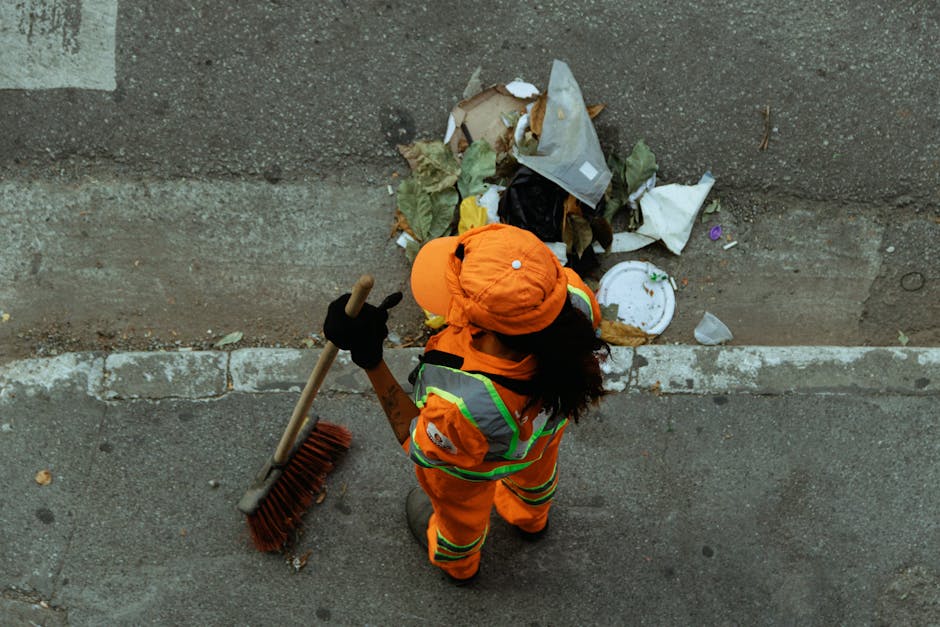
Islington council cleaning waste rules for Highbury homes: a practical guide for tidy, compliant waste handling
If you live in Highbury, waste can become one of those oddly stressful little household jobs that sneaks up on you. One week it is a broken wardrobe after a flat move, the next it is sacks of packaging from a deep clean, and suddenly you are wondering what Islington council expects, what goes in which bin, and what happens if you leave the wrong bag out. This guide to Islington council cleaning waste rules for Highbury homes is here to make that easier. It explains the common rules, the practical do's and don'ts, and the safer way to handle waste from regular cleaning, one-off cleaning, and bigger clear-outs without creating problems for yourself or your neighbours.
We will keep this plain English. No waffle. Just the kind of guidance that helps on a damp Tuesday morning when you are standing by the bins thinking, "Right, where does this actually go?"
Quick takeaway: for Highbury homes, the safest approach is simple: separate recyclable and non-recyclable waste, avoid overfilling bins, do not leave loose waste on the pavement, and use the correct route for bulky or special items.
Table of Contents
- Why Islington council cleaning waste rules for Highbury homes matters
- How Islington council cleaning waste rules for Highbury homes works
- Key benefits and practical advantages
- Who this is for and when it makes sense
- Step-by-step guidance
- Expert tips for better results
- Common mistakes to avoid
- Tools, resources and recommendations
- Law, compliance, standards, or best practice
- Options, methods, or comparison table
- Case study or real-world example
- Practical checklist
- Conclusion
- Frequently asked questions
Why Islington council cleaning waste rules for Highbury homes Matters
Waste rules are not just about keeping the street looking neat, although that matters too. They affect hygiene, missed collections, local access, vermin risk, and how smoothly you can run a household. In a dense area like Highbury, where pavements, shared entrances, and communal bin stores are often tight, small mistakes can cause bigger frustrations than people expect.
For example, a bag placed beside a full bin may seem harmless if you are rushing out to work. But if it sits there too long, it can tear, attract pests, or block a shared walkway. In a block of flats, that one bag can quickly become everyone's problem. That is why understanding the council's general approach to domestic waste, recycling, and bulky items is genuinely useful.
It also matters if you are cleaning regularly. A light weekly clean creates a predictable amount of waste. A spring clean is different. So is end of tenancy cleaning, after builders cleaning, or a post-party reset. The waste stream changes, and with it the risk of mixing the wrong materials or putting out waste in a way that leads to complaints.
If you are using a professional cleaner, waste handling becomes even more important. A good cleaner will know how to separate rubbish from reusable items, manage cleaning cloths and packaging responsibly, and leave the property in a state that fits local expectations. Services like domestic cleaning, deep cleaning, and end of tenancy cleaning are often where waste volumes rise most noticeably.
Truth be told, people usually only think about waste rules after something goes wrong. A missed collection. A complaint from a neighbour. A bag split open in the rain. Better to get ahead of it.
How Islington council cleaning waste rules for Highbury homes Works
The core idea is straightforward: household waste should be separated, stored safely, and presented for collection in the correct way. The council typically expects residents to use the correct containers, keep waste secure, and avoid contaminating recycling with non-recyclable items.
At home, that usually means thinking in categories:
- General waste for items that cannot be recycled through normal household recycling.
- Recycling for clean, accepted materials that can go into the relevant recycling container.
- Food or organic waste where local collection systems apply.
- Bulky waste for larger items that will not fit into normal bins.
- Special waste such as batteries, paint, chemicals, electrical items, or broken glass in awkward quantities.
Highbury homes vary a lot. A terrace house with a small front area behaves differently from a mansion block with a communal bin store, and both are different again from a top-floor flat with limited storage. So the practical rule is not just "what is the item?" but also "how will it be stored, moved, and collected safely?"
If you are tidying after a clean, separate the waste as you go rather than making one enormous mixed pile at the end. It is much easier to sort three small bags at the source than to face a mountain of mixed packaging, dust, and broken bits later. That sounds obvious, but in the rush it gets missed all the time.
For larger clear-outs, a house clearance style approach is often the safer route. Our house clearance support can be useful when the volume is beyond ordinary household bins. That matters particularly after decluttering, moving out, or dealing with a property that has been left full of old furniture and clutter.
And for everyday cleaning, waste handling should be built into the routine, not bolted on at the end. A tidy waste process keeps the whole job cleaner. Simple as that.
Key Benefits and Practical Advantages
Following the council's waste rules properly gives you more than just compliance. It makes the whole household easier to manage.
- Less mess around the property because bins are not overflowing or left exposed.
- Lower odour and pest risk since food waste and mixed rubbish are contained better.
- Fewer collection issues because the right waste goes in the right place.
- Better neighbour relations in shared streets and communal bin areas.
- Cleaner outcomes after professional cleaning because waste is removed in a controlled way.
- Less time wasted sorting later when waste has already been separated properly.
There is also a psychological benefit, if we are honest. A home feels calmer when the waste side of life is under control. You notice it when the kitchen does not smell faintly of old packaging and yesterday's food scraps. You notice it when the hallway is clear. Tiny thing, big difference.
For landlords and tenants, waste handling can also influence the condition a property is left in at handover. A well-managed clean, especially something like move out cleaning or move in cleaning, is easier to inspect when rubbish has already been cleared away correctly.
Who This Is For and When It Makes Sense
This topic is useful for almost anyone living in Highbury, but some households need it more often than others.
- Homeowners handling day-to-day domestic waste and periodic clear-outs.
- Tenants trying to avoid charges, complaints, or awkward checkout issues.
- Landlords preparing a property between lets.
- Families generating more packaging, food waste, and occasional bulky items.
- Shared-house residents where waste discipline can fall apart very quickly if no one keeps an eye on it.
- Busy professionals who need a simple, repeatable system rather than a complicated one.
It also makes sense if you are booking professional help for a specific job. A one-off tidy-up, an oven clean, or a full reset after a renovation produces different kinds of waste. That is where planning matters. For instance, one-off cleaning often creates more waste than people expect because hidden clutter gets surfaced during the job.
Then there are the "why is there suddenly so much stuff?" moments. You start with one drawer. Two hours later, three black bags, a broken lamp, some old batteries, and a small existential crisis. Happens more often than people admit. A sensible waste routine saves a lot of faff.
Step-by-Step Guidance
Here is a practical way to handle household waste in Highbury without drifting into confusion.
- Sort waste at the point of origin. Keep recycling, general rubbish, and special items separate as soon as you finish cleaning.
- Check what is clean and dry enough to recycle. Food-stained packaging, greasy paper, and contaminated materials often belong in general waste instead.
- Break down packaging. Flatten boxes, fold large cardboard, and reduce the bulk before putting items out.
- Keep bags closed and bins shut. Loose waste invites mess, wind-blown litter, and pests.
- Store waste safely until collection. If you live in a shared building, keep the route clear and do not block access points.
- Separate bulky items early. Do not leave them in the way while you decide what to do next.
- Arrange the right disposal route. Use the normal collection system for everyday waste and the appropriate route for oversized or unusual items.
If you are working through a larger cleaning project, do the waste pass before the final polish. That way you are not recleaning dust and crumbs from around a fresh rubbish pile. A classic mistake, that one.
For homes with floors, upholstery, or carpets that need real attention after decluttering, services such as carpet cleaning, upholstery cleaning, and oven cleaning can help restore the property after the waste is gone and the real cleaning can begin.
Expert Tips for Better Results
In practice, the best waste systems are boring. And that is a compliment. Boring means repeatable.
Keep a small "sort now" caddy. A spare container for batteries, lightbulbs, or other odd bits stops them from vanishing into general waste by accident. It saves rummaging later, too.
Use the same routine every week. If recycling always goes out after the bins are wiped down, and general waste always gets checked before collection day, the job becomes almost automatic.
Do a five-minute sweep before bin day. Look under sinks, behind the front door, and around the utility area. Highbury flats and houses alike have a way of hiding one more bag at the back of the cupboard. Annoying, but true.
Be careful with cleaning product containers. Empty containers may still need rinsing or checking before disposal depending on the material. When in doubt, err on the cautious side rather than guessing.
Plan for the weather. In wet weather, bags can split more easily and cardboard gets soggy fast. A dry evening before collection can make all the difference.
Use a housekeeping rhythm that fits your life. A family home near the bustle of Highbury Corner will often need a different waste cadence from a quiet one-bed flat. No need to force a system that does not suit the property.
If sustainability matters to you, aligning your waste habits with recycling and sustainability practices is a sensible move. Not perfect, just better. That counts.
Common Mistakes to Avoid
Most waste problems in residential cleaning come from a few predictable errors.
- Mixing recycling with food waste, which can contaminate the whole container.
- Leaving loose rubbish outside instead of securing it properly.
- Overstuffing bags until they split on the way to the bin.
- Forgetting bulky items until they are sitting in the hallway for weeks.
- Treating communal bin areas like private storage.
- Putting cleaning waste straight into the wrong stream because it "looks fine".
One especially common issue is the hidden waste from cleaning itself. Wipes, dust from skirting boards, vacuum contents, and small packaging bits build up quickly. If you are doing regular cleaning, it is worth making waste separation part of the job rather than a separate chore.
And if you are dealing with pet mess, broken household items, or stubborn stains that require extra materials, waste volumes can rise unexpectedly. Services like pet stain odour removal and stain removal often involve careful disposal of contaminated cloths or materials, which is another reason to keep waste handling tight.
Tools, Resources and Recommendations
You do not need specialist equipment to follow waste rules well, but a few simple tools make life easier.
- Colour-coded bags or labels for quick sorting.
- A lidded indoor caddy for food scraps or small waste items.
- Sturdy bin liners that are less likely to tear.
- A compact storage box for batteries, bulbs, and small special items.
- Fold-flat cardboard storage for packaging until collection day.
For bigger household projects, think in terms of support services rather than just rubbish bags. If a clean turns into a full property reset, the following can be helpful depending on the situation:
- deep cleaning for thorough internal resets.
- after builders cleaning when dust and debris are the issue.
- move out cleaning when the goal is to hand over a property in good order.
- communal area cleaning for shared entrances and corridors.
- window cleaning when the rest of the home is sorted and you want the finishing touch.
If you want help with a larger domestic or commercial clean, it is also sensible to look at pricing and quotes before booking, so the scope of work and the waste involved are clear from the start.
Law, Compliance, Standards, or Best Practice
This topic sits in the world of everyday household practice, but it does touch on broader UK expectations around waste storage, collection, and disposal. The safest approach is to follow local council instructions, use the correct bins, and avoid leaving waste where it could create hazards or nuisance.
For residents, the main compliance point is usually straightforward: do not dump waste, do not obstruct shared spaces, and do not put out items in a way that risks contamination, fly-tipping, or collection refusal. That applies whether you are in a terraced house, a converted flat, or a larger managed block.
There is also a common-sense safety angle. Broken glass, sharp packaging, and heavy bags should be handled in a way that protects the people moving them. If cleaners are involved, a reputable provider should already have sensible health and safety practices and appropriate insurance and safety considerations in place. That is not a bonus. It is basic professionalism.
For business or mixed-use properties in Highbury, the standards become more important. Shared areas, office waste, and commercial waste should not be treated like a casual household bin situation. If that is your scenario, commercial cleaning or office cleaning may fit better than a domestic-only approach.
Best practice in one sentence: keep waste separated, secure, and predictable, and you will avoid most of the avoidable headaches that come with household cleaning in Highbury.
Options, Methods, or Comparison Table
Different waste situations need different methods. Here is a simple comparison that may help you decide what makes sense.
| Situation | Best approach | Why it works | Watch out for |
|---|---|---|---|
| Weekly household cleaning | Standard bin separation and routine collection | Low effort, steady and reliable | Contamination from mixed recycling |
| Spring clean or declutter | Sort waste as you go, then bag and separate by type | Prevents one huge messy pile | Overfilling bags and forgetting odd items |
| Move-out or move-in | Use clear staging areas and remove bulky waste early | Keeps the property inspection-ready | Leaving items in halls or communal spaces |
| After builders clean | Separate dust, rubble, packaging, and general waste carefully | Helps avoid mess spreading back into the home | Sharp debris and heavy bags |
| Shared flat or block | Use a fixed collection routine and keep bin areas tidy | Reduces neighbour friction | Overflow and blocked access |
If you are deciding between doing it yourself and bringing in support, ask a simple question: is this a routine clean, or is it more like a mini project? If it is the latter, extra help often saves time and reduces mistakes. A typical example is a tenant leaving Highbury after years of accumulation. That is not a "few bin bags" job. It is a proper sort-out.
Case Study or Real-World Example
Here is a realistic example from the kind of situation many Highbury households face.
A two-bedroom flat in a converted building had been occupied by a busy couple for several years. Nothing dramatic. Just life. But over time, recycling was mixed with general rubbish, small packaging was left in the kitchen drawer, and an old desk had been pushed into the spare room "for later". Later, as always, arrived all at once.
Before the end-of-tenancy clean, the residents spent an hour sorting waste into categories: cardboard, soft plastic where accepted, old documents, batteries, general waste, and the desk for separate removal. The cleaner then came in to handle the actual property cleaning, not the debris removal. The result was simple: a clearer working space, faster cleaning, and far less risk of the hallway filling with bags at the wrong time.
What made it work was not perfection. It was sequence. Waste first, clean second, inspection last. That order matters more than people realise.
It is the same with families doing a seasonal reset. If you clear the obvious waste before the deep clean, you can get much better results from tasks like sofa cleaning, mattress cleaning, or steam carpet cleaning, because the space is already free from clutter and stray rubbish.
Practical Checklist
Use this before collection day or before booking a bigger clean.
- Separate recycling from general waste.
- Keep food waste away from dry recyclables.
- Flatten cardboard and reduce bulk where possible.
- Tie bags securely and do not overfill them.
- Store waste safely away from walkways and exits.
- Move bulky items out of the way early.
- Check for batteries, bulbs, sharp objects, or other special items.
- Make sure communal bin spaces stay accessible.
- Use a proper disposal route for anything unusual or oversized.
- Do a quick final sweep so nothing is forgotten behind doors, under sinks, or in cupboards.
If you can tick most of those off, you are probably in good shape. Not glamorous, but practical. Which is the point.
Conclusion
Getting to grips with Islington council cleaning waste rules for Highbury homes does not need to be complicated. The basics are usually enough: separate waste properly, avoid contamination, store it safely, and use the right route for bulky or unusual items. In a busy area like Highbury, those small habits make home life smoother and reduce friction with neighbours, landlords, and collection schedules.
If your cleaning job is bigger than a standard tidy, think about the waste side before you start. That one decision can save time, prevent mess, and make the finished result feel much more complete. And honestly, there is a nice feeling in seeing a clear space and knowing everything has gone where it should.
Get a free quote today and see how much you can save.
When the rubbish is sorted and the room finally breathes again, even a small flat can feel a little lighter. That is worth the effort.
Frequently Asked Questions
What are the basic Islington council cleaning waste rules for Highbury homes?
At a practical level, the basics are to separate recycling from general waste, keep bags secure, avoid blocking shared spaces, and use the proper route for bulky or special items. The exact setup can vary by property type, so always follow the collection system that applies to your home.
Can I leave extra bags next to the bin if it is full?
Usually that is a bad idea unless local instructions clearly allow it. Extra bags can tear, attract pests, or create a nuisance in communal areas. If your bin is full, it is better to wait, reduce the volume, or arrange another disposal route for larger amounts.
What counts as bulky waste in a Highbury home?
Anything too large for normal household bins or awkward to move safely tends to count as bulky waste. Think furniture, large appliances, or items that would clearly not fit in a standard bin. A sofa is not a bin-bag job, let's put it that way.
How should I handle waste after a deep clean?
Sort it as you go. Deep cleaning often uncovers packaging, old clutter, and hidden debris. Put recyclables, general rubbish, and anything special into separate groups before the final tidy-up so the whole process stays manageable.
Do tenants in Highbury need to follow different waste rules from homeowners?
The basic waste expectations are similar, but tenants often need to be more careful because leftover rubbish can lead to complaints, deposit issues, or handover problems. If you are moving out, clear waste early and leave the property in a clean, orderly state.
What should I do with batteries, bulbs, or broken electronics?
Do not throw them into general waste without checking the right disposal route. Keep them separate while you store them, then follow the local method for special items. These small things are easy to forget and surprisingly easy to mix up.
Is it okay to put food waste in black bags with everything else?
It is usually better not to mix food waste with dry recyclables, and ideally you should keep it separate from the rest of the rubbish where your collection system allows. Mixed waste is more likely to smell, leak, and cause contamination.
How can I stop my bin area smelling bad in summer?
Close bags properly, avoid leaving food waste exposed, rinse containers if appropriate, and take rubbish out regularly rather than letting it pile up. In warmer weather, even a small amount of forgotten waste can become noticeable quickly.
Should cleaners remove all waste from my property?
That depends on the service and what has been agreed. Some cleaning jobs include waste tidying as part of the work, while others are purely about cleaning surfaces and rooms. It is always sensible to confirm the scope in advance, especially for larger jobs.
What is the best option for a property clearance in Highbury?
If the volume of waste or unwanted items is large, a structured house clearance approach is often the most efficient option. It is especially useful after moves, long-term decluttering, or when a property has accumulated more than ordinary bins can handle.
How do communal bin stores affect waste handling?
They make timing and access more important. You need to keep the area tidy, avoid leaving loose waste around, and respect shared space. In a block, one person's rubbish can quickly become everyone's inconvenience, so discipline matters more.
Can waste rules affect my end-of-tenancy clean?
Yes. If rubbish is left behind, the clean is harder, slower, and sometimes less effective. A good end-of-tenancy process usually starts with waste removal, then moves into the detailed cleaning stage. That sequence makes the property much easier to present well.