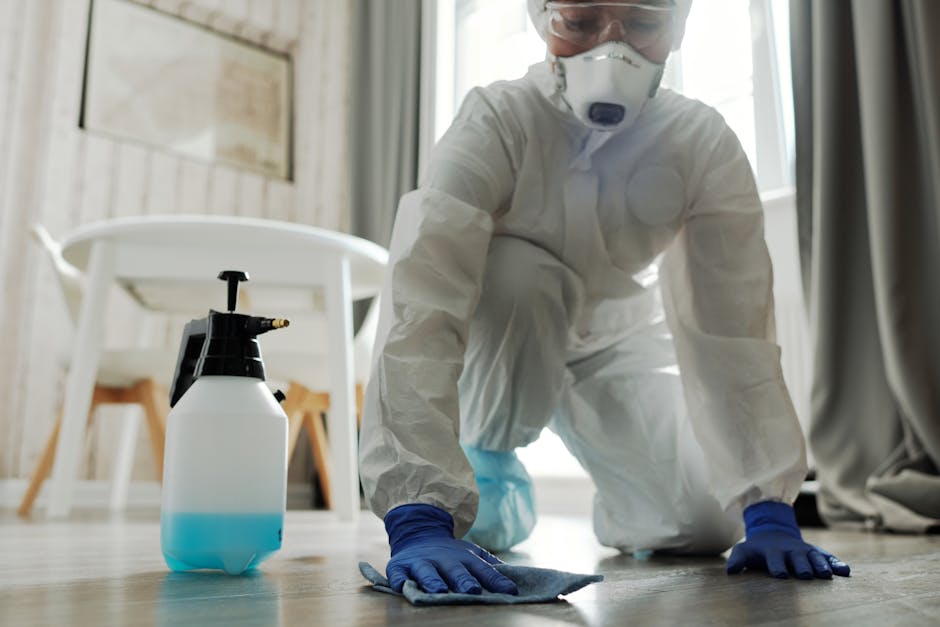
Same day emergency cleaning Highbury: what to expect
If you've just had a spill, a guest cancellation, an unexpected tenant issue, or a mess that simply can't wait until tomorrow, same day emergency cleaning in Highbury can feel like the difference between chaos and control. The good news? Once you know what to expect, the whole process becomes much less stressful. You'll know how quickly a cleaner can arrive, what they'll need from you, what can realistically be fixed on the day, and where a specialist clean makes more sense than a standard tidy-up.
This guide walks through the full picture in plain English. We'll cover how emergency cleaning usually works in Highbury, who it's for, what happens step by step, how to avoid common mistakes, and what kind of results are realistic when time is tight. If you're dealing with an urgent situation now, that clarity matters. A lot.
- Why same day emergency cleaning in Highbury matters
- How emergency cleaning works
- Key benefits and practical advantages
- Who this is for and when it makes sense
- Step-by-step guidance
- Expert tips for better results
- Common mistakes to avoid
- Tools, resources and recommendations
- Law, compliance, standards, or best practice
- Options, methods, or comparison table
- Case study or real-world example
- Practical checklist
- Conclusion
- Frequently asked questions
Why Same day emergency cleaning Highbury what to expect Matters
Emergency cleaning is not just "cleaning faster". It's a response service designed for situations where delay makes things worse. In Highbury, that might mean a rented flat that needs urgent attention before a checkout, a water leak that's left flooring damp, a kitchen that's been hit by smoke and greasy residue, or a property that needs to be presentable before visitors arrive later the same day.
What makes this different from a routine clean is the pressure. Time pressure, yes, but also emotional pressure. You might be dealing with embarrassment, a deadline, or a business problem that is now very public. To be fair, that's when people often make rushed decisions. They book the first service they see and assume every cleaner will handle every emergency in the same way. Not quite.
Knowing what to expect helps you choose the right level of help. A same day team can usually stabilise a situation, remove hazards, reduce odour, restore presentability, and get a property back to a usable state. But there are limits. If there's structural water damage, contaminated waste, mould spread, or a deep-set stain that has cured for days, the initial visit may only be the first stage. That's normal, not a failure.
In practical terms, this service matters because it gives you three things at once: speed, clarity, and a plan. That combination is what people actually need in the middle of a mess. Not a lecture. Not a guess. A workable next step.
How Same day emergency cleaning Highbury what to expect Works
The process is usually quicker and more structured than a standard booking. Most same day emergency cleaning jobs follow a short, urgent workflow: enquiry, assessment, dispatch, on-site clean, then a final check. Simple in theory. Still a bit tense in real life.
First, you contact the cleaner and explain the issue clearly. The more specific you are, the better. "There's been a spill in the lounge" is useful, but "red wine on a cream rug, about an hour ago" is far more useful. That detail helps the cleaner decide whether to bring stain tools, extraction equipment, odour treatment, or protective materials.
Next comes the assessment. This may happen over the phone, through photos, or both. A good provider will want to know the size of the area, the surface type, what caused the mess, whether electricity or water is affected, and whether there are any safety concerns. If the job is urgent, they'll usually prioritise speed while still asking enough questions to avoid turning up underprepared. That's the sweet spot.
After that, the cleaner is dispatched with the right kit. For domestic emergencies, that might include disinfectant, microfibre cloths, a vacuum, upholstery tools, steam or extraction equipment, PPE, and odour neutralisers. For larger or more sensitive jobs, they may bring additional products or arrange a second visit. In Highbury, where properties can range from compact flats to shared homes and commercial premises, adaptability matters more than fancy promises.
On arrival, you should expect a short walkthrough. The cleaner will confirm the priority areas, check access, and decide what should be tackled first. If the issue involves liquid, odour, food residue, or bio-type contamination, they will normally work from the cleanest area outward to reduce spread. If it's a general same day rescue clean, they'll likely focus on visible impact first: floors, surfaces, bathrooms, kitchens, waste removal, and anything guests or tenants will notice immediately.
Then comes the actual clean, which may involve several stages rather than one quick wipe-down. A stain might need pre-treatment before extraction. A kitchen might need degreasing before sanitising. A bathroom might need limescale removal before the room can smell truly fresh again. That layered approach is what separates a genuine emergency clean from a hurried surface clean.
Finally, expect a finish check. A professional cleaner should walk you through what has been completed, point out anything that could not be fully resolved within the time available, and explain whether follow-up treatment is recommended. If a stain has permanently set, you'll want honest feedback rather than vague optimism. Truth be told, that honesty is one of the biggest signs you've chosen the right team.
Key Benefits and Practical Advantages
The main benefit is obvious: fast relief. But there's more to it than speed alone. Same day cleaning is really about limiting damage, restoring order, and protecting whatever comes next-tenancy handover, guest arrival, trading hours, or even just your own sanity.
Here are the practical advantages people notice most:
- Less downtime: The property becomes usable again more quickly.
- Reduced spread of mess: Quick intervention can stop stains, odours, or damp from spreading.
- Better first impressions: Very useful for landlords, hosts, offices, and anyone expecting visitors.
- Targeted treatment: Emergency teams often bring specialist products for the exact problem.
- Less stress: It's easier to cope when there's a plan in place and someone competent is on it.
There's also a practical financial angle. A fast clean can sometimes prevent a bigger cost later, whether that means replacing a carpet, losing a booking, or needing repeated cleaning after a spill has set. Of course, not every emergency can be "saved" by one visit. But acting quickly often improves the outcome, and that is worth a lot in itself.
Another advantage people often overlook is communication. In a proper same day job, the cleaner should tell you what is realistic, what is urgent, and what can wait. That kind of clarity is calming. It turns a messy, uncertain moment into something manageable.
Who This Is For and When It Makes Sense
Same day emergency cleaning in Highbury makes sense for anyone who needs a property restored quickly and safely. In practice, that includes homeowners, renters, landlords, letting agents, short-let hosts, office managers, shop owners, and residents dealing with a one-off incident that needs immediate attention.
Typical situations include:
- Accidental spills on carpets, sofas, or rugs
- Food or drink damage before guests arrive
- Post-party clean-ups that have got out of hand
- Bathroom or kitchen issues that need sanitising
- Odour problems from waste, pets, or moisture
- Emergency move-in or move-out preparation
- Office or shop spaces that need to open the same day
It's also useful where appearance and hygiene are both important. For example, if a landlord needs a flat presentable for a viewing, or a cafe needs to reset after a spill before opening, speed and quality have to work together. One without the other is not much help.
On the other hand, if the problem is structural, such as major flooding, visible mould growth, electrical risk, or contaminated materials, you may need more than cleaning. In those cases, same day cleaning can still help with stabilisation, but it should not be treated as the entire solution.
A simple rule of thumb? If the issue is making the property look, smell, or function worse by the hour, same day emergency cleaning is probably worth considering. If the problem is continuing to spread, it's even more urgent.
Step-by-Step Guidance
If you've never booked an emergency cleaner before, here's what the process usually looks like from start to finish. It's not complicated, but doing the right things in the right order makes a real difference.
- Describe the problem clearly. Say what happened, where it happened, when it happened, and what the affected surface is.
- Share photos if possible. A couple of phone pictures can help the cleaner judge urgency and equipment needs.
- Ask what can be done today. Some jobs are full cleans, others are emergency stabilisation with deeper treatment later.
- Confirm access and timing. Make sure the cleaner knows the entry point, parking constraints, and any building instructions.
- Clear the area if safe. Move small items, pets, and valuables away from the affected zone.
- Let the cleaner work methodically. Emergency jobs still need proper order: assess, pre-treat, clean, dry, check.
- Review the result. Ask what was treated, what remains, and whether follow-up is advisable.
A quick example: if a tenant spills coffee across a light carpet at 10am and needs the room guest-ready by mid-afternoon, the best outcome usually comes from fast reporting, clear photos, and immediate access. By the time the cleaner arrives, they already know whether they're dealing with a fresh stain, a mark that has soaked through, or a bigger flooring issue.
That kind of prep sounds small. It isn't. It can shave valuable time off the response and improve the result quite a bit.
Expert Tips for Better Results
In our experience, the best emergency cleaning outcomes happen when the client and cleaner work as a team, even for the first ten minutes. A few small decisions up front can save a lot of trouble later.
1. Don't scrub the stain first. It's tempting. People panic, grab whatever's nearby, and rub hard. That often pushes the stain deeper into fibres or spreads it wider. Blotting is usually safer than rubbing, but even then, only if the area is suitable.
2. Keep the area ventilated where appropriate. Open a window if the weather and security situation allow it. Fresh air can help with odour and drying. On a cold Highbury morning, that may feel a bit brisk, but it helps.
3. Be honest about what happened. If there was wine, bleach, pet urine, grease, or a cleaning product already used on the spot, say so. Mixing treatments can change the result. A cleaner cannot work around a mystery if they do not know what was used before.
4. Expect a realistic finish, not magic. Some marks fade completely. Some improve a lot but do not vanish. That's the nature of fibres, grout, wood, and aged residue. A good cleaner will tell you which is which.
5. Ask about drying time. If the area needs to be walked on or used again, this matters. In some cases you'll need to keep people off the space for a while, especially after extraction or deep cleaning.
6. Think beyond the visible mess. A stain can hide odour. Moisture can hide under flooring edges. Kitchen grease can cling to extractor areas you don't immediately notice. The obvious problem is sometimes only half the story.
Expert summary: The best same day emergency cleaning is fast, but it is still methodical. The cleaner who asks good questions before arriving is often the one who gets the best result on the day.
Common Mistakes to Avoid
Most emergency cleaning headaches come from a few very avoidable mistakes. Nothing dramatic. Just the kind of rushed decisions people make when they're under pressure.
- Waiting too long: Fresh mess is easier to treat than set-in dirt, staining, or odour.
- Using the wrong product: Some sprays can bleach fabric, damage finishes, or lock a stain in.
- Not saying what the mess is: Guessing helps nobody. If it's oil, say oil. If it's pet-related, say so.
- Booking only on price: Cheapest is not always fastest, safest, or best equipped.
- Expecting a full restoration when only a rescue clean is realistic: Important distinction. A rescue clean and a full deep clean are not the same thing.
- Forgetting access details: A delayed key handover can waste the whole time slot.
One small but common issue: people assume every stain can be removed if the cleaner is "good enough". Not always. Some marks react immediately, some need specialist treatment, and some are permanently altered by heat or previous chemicals. That is frustrating, yes. But it's better to hear that early than after someone has overtreated the area.
Another mistake is not asking what happens next if the problem remains partly unresolved. A sensible cleaner should explain whether a follow-up visit, a different method, or a replacement might be the next step.
Tools, Resources and Recommendations
You do not need to supply equipment for a professional emergency clean, but it helps to understand what might be used. That way the process feels less mysterious and you can judge whether the provider sounds prepared.
Common tools and materials include:
- Microfibre cloths and disposable wipes
- Vacuum cleaners with suitable attachments
- Extraction or steam equipment for carpets and upholstery
- Degreasers and sanitising products
- Odour neutralisers
- Protective gloves and other PPE
- Floor-safe cleaning solutions for wood, tile, laminate, and stone
Useful services to consider alongside emergency cleaning include deep cleaning if the space needs a more complete reset, carpet cleaning for floor stains and tracked-in dirt, and sofa cleaning if upholstery has taken the hit. For odour and stain issues from pets, pet stain and odour removal can be especially relevant.
If the problem is tied to a move, short-let turnover, or urgent handover, services like move-out cleaning, move-in cleaning, or Airbnb cleaning may fit better than a generic one-off visit. For business premises, commercial cleaning and office cleaning are worth considering when the issue affects trading or staff use.
And if you want a clear idea of options before booking, a quick look at pricing and quotes can help you plan the next move without guesswork. That alone can make a stressful day feel a little more orderly.
Law, Compliance, Standards, or Best Practice
Emergency cleaning is not usually a heavily regulated service in the way medical or legal work is, but there are still important standards and duties to keep in mind. In the UK, safe working practices matter, especially where cleaners are dealing with chemicals, bodily fluids, broken items, slips, trip hazards, or contaminated waste.
A trustworthy provider should be able to explain how they approach safety, product use, and waste handling in line with common professional practice. If a job involves potentially hazardous residues, the cleaner should be careful about personal protective equipment, cross-contamination, and disposal. If there is visible mould, sewage, or serious water damage, it may need more than a standard clean and should be handled with caution.
For landlords, hosts, and business owners, there may also be practical duties around safety, hygiene, and reasonable upkeep. The exact obligations vary by setting, but the principle is simple: a property should not be left in a condition that creates avoidable risk for occupants, guests, staff, or visitors. That means acting promptly when something goes wrong.
Best practice also includes transparency. A good cleaner should be clear about what they can and cannot do, whether a treatment may affect delicate materials, and whether follow-up is recommended. If a company has written policies on health and safety, insurance, payment security, privacy, or complaints, that is usually a positive sign because it shows they have thought beyond the immediate job.
You can also check pages like health and safety policy, insurance and safety, and terms and conditions if you want a better sense of how the business operates before you book. That's not overcautious. It's sensible.
Options, Methods, or Comparison Table
Not every urgent clean needs the same approach. The right method depends on the surface, the cause, and how quickly you need the result. Here's a simple comparison that may help you judge what to ask for.
| Method | Best for | Strengths | Limitations |
|---|---|---|---|
| Rapid surface clean | Visible mess, dust, light spillages, guest-ready touch-ups | Fast, cost-conscious, good for immediate presentation | May not remove deep staining or odour |
| Targeted stain treatment | Carpets, upholstery, rugs, mattresses, and spot damage | Focuses on the affected area and can preserve the rest of the room | Results vary by stain type and how long it has been there |
| Deep clean | Layered dirt, grime, built-up hygiene issues, post-incident reset | More thorough and better for long-term improvement | Usually takes longer and may not be the same-day answer for every job |
| Extraction or specialist treatment | Soaked fibres, tough odour, or residue that has penetrated materials | More effective for serious contamination or staining | Needs the right equipment and drying time |
If you're uncertain, a short phone assessment usually tells you whether you need a quick rescue clean or something more technical. A good provider will not overpromise. That alone is reassuring.
Case Study or Real-World Example
Here's a realistic example. A one-bedroom flat near Highbury Fields has a last-minute booking change after a guest spills a dark drink on a pale rug and across a sofa arm. The host needs the space cleaned the same day because another guest is arriving that evening.
The first step is simple: they send photos immediately and explain the material of the rug and sofa, plus the time of the spill. That detail matters because fresh liquid on fabric is a different job from dried residue on a synthetic surface. The cleaner arrives with upholstery tools, a suitable stain treatment, and drying advice.
On arrival, the cleaner focuses on the rug first because it is the most visible issue. The spill is treated, lifted as far as possible, then the sofa arm is cleaned and checked for colour transfer. The room is then tidied, lightly deodorised, and ventilated. The stain is improved significantly, though not erased completely. That honesty helps the host manage expectations with the arriving guest.
The result? The flat becomes presentable again, the smell is controlled, and the booking can proceed. Not perfect. But good enough to save the day, which is really what emergency cleaning is often about.
That kind of outcome is common when the response is fast and the communication is clear. Delay, by contrast, usually makes the stain more stubborn and the job more expensive. A bit unfair, but true.
Practical Checklist
Use this checklist before the cleaner arrives. It will save time and usually improves the result.
- Confirm the exact problem and location
- Take a few clear photos
- Share what caused the mess if you know it
- Note any previous products used on the area
- Tell the cleaner if there are pets, children, or vulnerable occupants nearby
- Arrange access, parking, or building entry instructions
- Move small items and valuables out of the way if it is safe to do so
- Ask what can be achieved today and what may need follow-up
- Check whether the area needs drying time before use
- Keep a backup plan if the clean takes longer than expected
Quick takeaway: the best same day emergency cleaning outcome comes from fast reporting, honest detail, and a realistic idea of what can be done in one visit. That combination is simple, but it works.
For a better sense of who is carrying out the work and how the business is run, you may also want to review the company's about us page and, if you prefer a clear route to speak with someone directly, contact us is the natural next step.
Get a free quote today and see how much you can save.
Conclusion
Same day emergency cleaning in Highbury is at its best when it brings calm to a messy situation quickly, safely, and without drama. You should expect a short assessment, clear communication, focused treatment, and an honest explanation of what can be achieved on the day. Sometimes that means a near-complete turnaround. Sometimes it means stabilising the problem so the next stage can happen properly. Either way, that is real value.
If you remember just one thing, let it be this: act early, describe the issue clearly, and choose a provider that explains the process rather than overselling it. That's usually the difference between a stressful scramble and a manageable fix.
And if the room is still a bit imperfect afterwards? That's okay. Sometimes getting back to normal is a process, not a switch. One good step at a time.
Frequently Asked Questions
How fast can same day emergency cleaning in Highbury usually arrive?
It depends on the time of day, the size of the job, and how busy the team is, but same day services are typically built around quick dispatch. The cleaner may ask for photos first so they can come prepared rather than wasting time on a second trip.
What should I tell the cleaner when I call?
Say what happened, where it happened, when it happened, and what surface is affected. If you know what caused the mess, mention that too. A fresh wine spill on carpet, for example, is very different from a grease mark on painted walls.
Will same day cleaning remove every stain?
Not always. Fresh stains often respond much better than set-in marks, but some materials and substances leave lasting traces. A good cleaner should explain what is realistic before starting, rather than promising a miracle.
Is emergency cleaning different from deep cleaning?
Yes. Emergency cleaning is about fast response and immediate impact. Deep cleaning is more detailed and usually broader in scope. Sometimes the two overlap, but they are not the same job.
Can I book emergency cleaning for a flat, house, or office?
Yes, as long as the issue is suitable for a cleaning response. Flats, houses, offices, shops, and short-let properties can all benefit from same day help if the problem is urgent and practical to clean.
What if the problem involves odour as well as mess?
Odour often needs more than a quick wipe. The cleaner may use deodorising or specialist treatment depending on the cause. If the smell comes from pet accidents, moisture, or waste, mention that immediately so the right method is used.
Do I need to move furniture before the cleaner arrives?
Only if it is safe and practical. Small movable items are helpful to clear away, but heavy furniture should usually be left alone unless the cleaner asks for it to be shifted. Safety first, always.
How much drying time should I expect after the clean?
That depends on the method used and the surface treated. Light surface cleaning may be ready quickly, while extraction or deeper treatment can take longer. Ask this before the job starts so you can plan access properly.
What if I'm not sure whether I need emergency cleaning or a normal clean?
If the problem is time-sensitive, getting worse, visibly unhygienic, or affecting a booking, handover, or business opening, emergency cleaning is usually the safer choice. If there is no urgency, a standard or scheduled service may be enough.
Are cleaning products safe for pets and children?
That depends on the products used and how the area is ventilated and dried afterwards. A professional cleaner should be able to tell you whether the space needs to be kept clear for a while, especially if stronger treatments are required.
Should I ask about insurance or safety before booking?
Yes, that is sensible. Any professional cleaner should be able to explain how they approach safety, what is covered, and how they handle risk. It helps build trust and gives you confidence before someone starts working in your home or business.
What is the best first step if I have an urgent cleaning problem right now?
Take a photo, describe the issue clearly, and contact a same day cleaner as soon as possible. The faster you share the details, the more likely you are to get the right help on the first visit. That first call really does matter.